Zero Proof, Full Plate: The Sober Guest's Verdict on a Village Pub
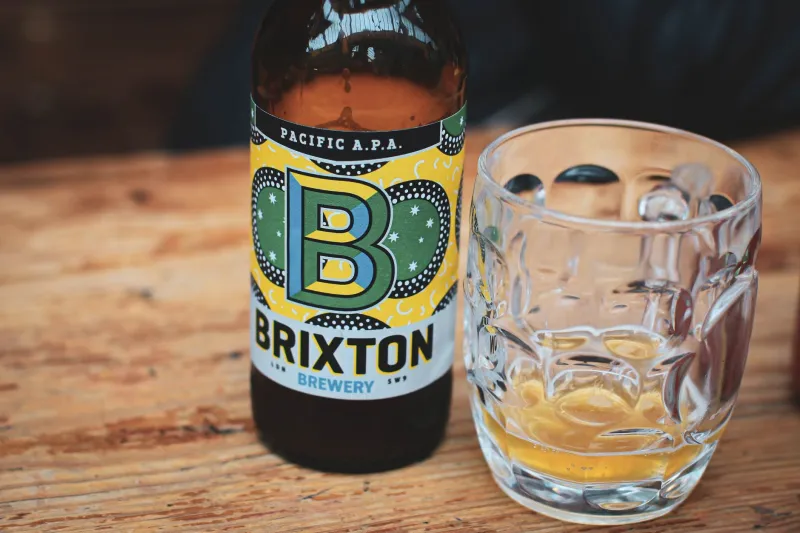
There is a particular sort of silence that falls over a pub table when the first round is taken and one glass is a lime and soda. It used to be a silence with an apology in it. Not any more. Walk through The Bull on a Friday in November 2026 and you will see tables where the drinks order reads like a soft-drinks shelf: an alcohol-free lager, a house elderflower press, a pot of tea that arrives before the starters rather than after the pudding. Nobody is explaining themselves. That is the shift.
For a kitchen, though, that shift is not really about drinks at all. It is about the shape of the meal. A table with a bottle of wine in the middle has a rhythm built into it — the pause to choose, the pause to pour, the gentle stretch between courses. Take the bottle away and the meal either tightens up or falls flat, depending on whether the pub has thought about it. The sober guest is, whether they asked for the job or not, the most honest food critic in the building.
The Second-Round Question
Ask anyone who runs a pub floor what they listen for and they will tell you it is the second-round question. It is the engine of the whole evening. Two pints in, a table relaxes, orders the sticky toffee pudding it swore it wouldn't, and stays for another hour. That extra hour is the difference between a good night and a quiet one.
A table without alcohol does not have that engine. It has to be given a reason to stay — and the reason has to come from the plate, the room or the service. This is where a menu earns its keep. If the food is merely fine, a sober table will be home by nine. If the food is interesting, and the pacing is right, they will linger over a second pot of tea and a cheese board and not notice the clock. That is a much harder test of a kitchen than a table that has been softened by a bottle of Malbec.
What a Sober Table Actually Orders
The lazy assumption is that the non-drinker wants a soft drink and a salad. The reality, at The Bull and at pubs up and down the Thames Valley, is closer to the opposite. People who are not drinking are often eating with more attention, not less. They are the ones asking what is in the sauce, whether the game is local, and whether the vegetarian option was designed or inherited from 2011.
That has changed the way we think about pairings. A low- or no-alcohol drink has to do a job that wine used to do: cut through the fat, lift the palate, reset the table between courses. A sharp apple-and-elderflower press does that for a plate of pork belly far better than a sweet mocktail. A dark, malty alcohol-free beer sits under a steak and kidney pudding like a winter coat. A pot of lapsang souchong alongside a smoked fish starter is not a novelty — it is a genuinely good match, and it costs the pub nothing but attention.
We have also learned to stop hiding the non-alcoholic list at the bottom of the menu in six-point type. If it is worth drinking, it is worth naming. There is no reason a house shrub or a properly made alcohol-free spritz should be treated like an apology.
Pacing, Not Punishment
The bigger lesson is about time. A drinking table self-regulates: the wine slows things down, the conversation stretches, the pudding gets ordered at the point of maximum goodwill. A sober table needs the kitchen to do that work deliberately.
In practice, that means a few small things. Bread on the table before the drinks order is taken, because a table with no glass to nurse notices an empty tabletop in about ninety seconds. Water poured without being asked — not as a health gesture, but because a table with water on it feels looked-after. Coffee offered with the pudding rather than after it. And, crucially, a front-of-house team who do not assume that a table without alcohol is in a hurry, on a budget, or on the way to somewhere else.
The reverse is also true. A sober table can be the fastest table in the pub if the service treats them as an afterthought — if the food lands all at once, if the plates are cleared before the last mouthful, if the bill appears unbidden at half past nine. Nobody wants to be managed out of the door. They want the same generosity of time that a bottle of wine quietly buys for everyone else.
The Test That Keeps Giving
There is a commercial argument here, and it is not a small one. The UK's low- and no-alcohol category has been growing for years and shows no sign of retreating in 2026. Drivers, athletes in training, people on medication, people who simply are not drinking tonight — they all want a Saturday lunch that feels like a Saturday lunch. A pub that gets that right does not just keep the table for an extra hour. It keeps the table for the next five years.
But the better argument is the one you can taste. When a menu has to work without the softening effect of a second bottle, everything on it has to pull its weight. The gravy has to be worth a spoon. The vegetarian dish has to be a dish, not a gesture. The pudding has to be good enough to order sober, which is the strictest standard there is.
So next time you are at The Bull and the table beside you has a lime and soda, a pot of tea and a very serious conversation about the crumble, do not feel sorry for them. They are running the most honest test in the building. If the pub works for them, it works for everyone — and that is worth raising a glass to, whatever is in it.