Lamps On, Plates Early: The Winter Supper Hour at The Bull
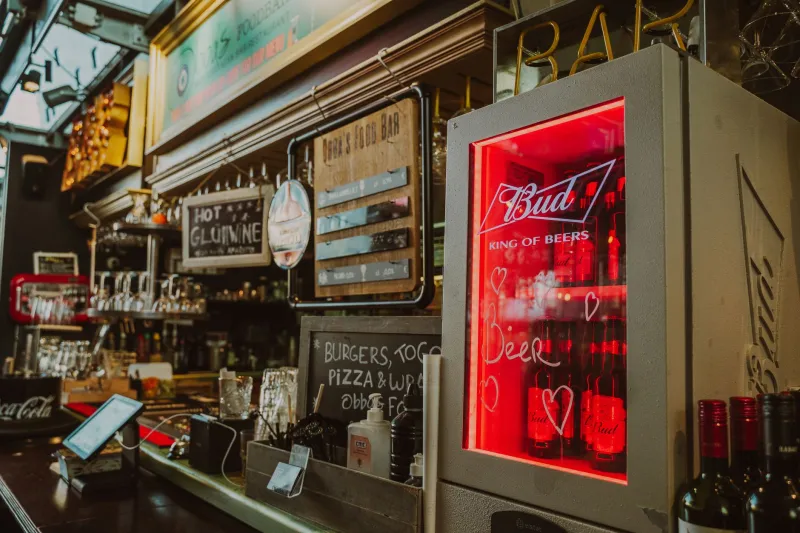
There is a particular moment in a village pub in November when the day gives up quietly. The school run has thinned out, the river path has gone dim, and the first car headlights are already sweeping past the church. Inside The Bull, someone has drawn the curtains against the damp and switched on the lamps a little earlier than usual. By four o'clock, the room has a different shape to it.
That is the hour when the early table starts to fill — not lunch, exactly, and not the full evening either. It is its own small slot in the winter day, and in Wargrave it has become one of the more agreeable ways to eat in the colder months.
The Table Between Lunch and Dinner
Calling a four o'clock meal a compromise rather misses the point. Yes, it sits awkwardly between conventional lunch and conventional supper, but that is precisely why it works. You are not squeezing a late lunch into a darkening afternoon, and you are not holding out until eight o'clock when the fire has burned low and the walk home feels like a expedition.
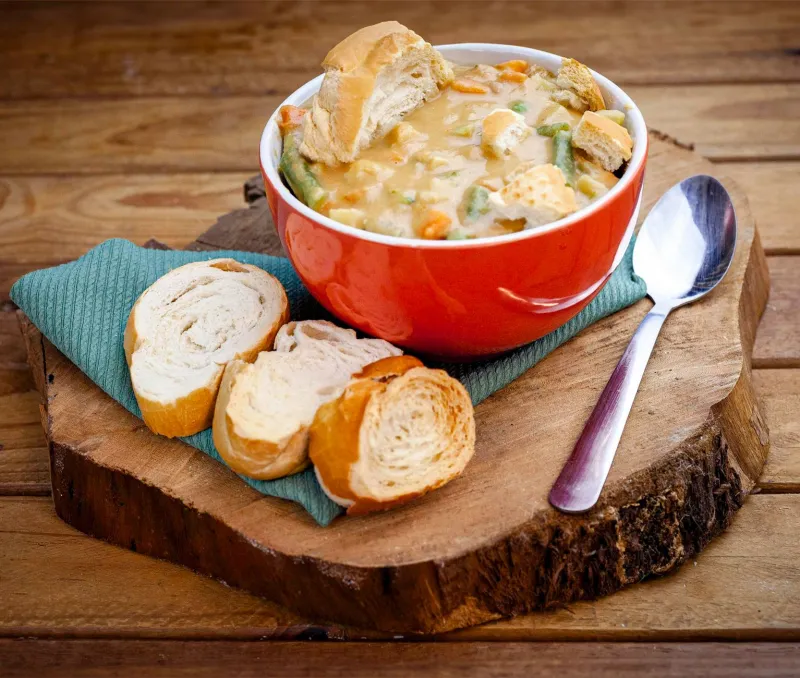
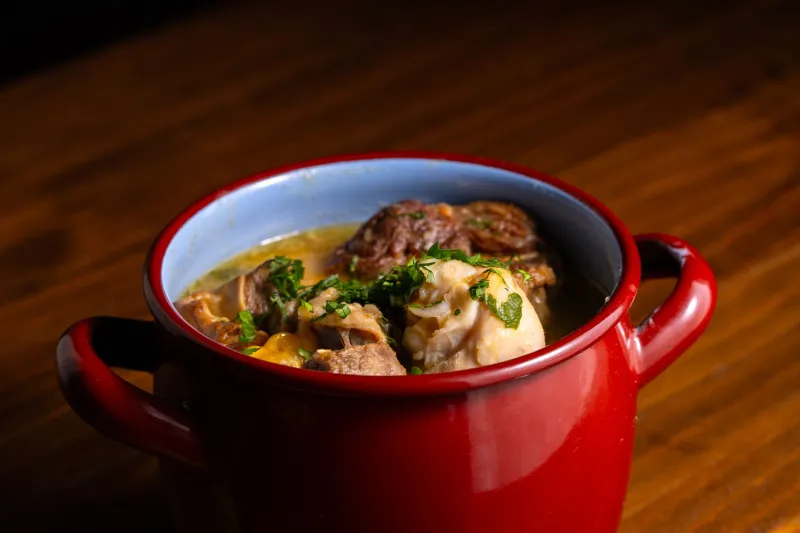
The kitchen treats it as a proper sitting rather than an afterthought. The plates tend to be a touch lighter than a Sunday roast but more generous than a sandwich at the bar. Think of the food that suits a body coming in from cold: something with gravy, something with a crust, something that steams when it lands. A pie. A bowl of something slow-cooked. Fish and chips, if the mood takes you. A pudding ordered without any pretence that it is still afternoon.
Who Takes the Early Seats
The four o'clock table is not one type of person. That is part of its charm.
There are the walkers coming off the Thames Path, boots still on, grateful for a chair and a plate before the towpath turns properly black. There are parents with younger children, keen to eat before the evening routine collapses under its own weight. There are older couples who have decided that dark by half past four is a perfectly reasonable cue for supper. There are tradespeople finishing early, and the occasional remote worker who has realised that the laptop has been open for too long.
And there are dogs. There are always dogs at the early table, sprawled under benches, pretending not to notice the pie.
What Lands on the Plate
Early winter eating has its own logic. It is not the time for a long, slow, three-course affair — though nobody would stop you. It is the time for food that arrives with a bit of warmth and a bit of purpose.
The menu in November leans towards the sort of cooking that makes sense when the light has gone: roots, game, dark greens, suet, mustard, a good gravy. Puddings come into their own earlier than usual. A crumble at four o'clock is not indulgence; it is simply good timing. And there is something quietly satisfying about ordering a glass of red while the sky outside is still technically doing whatever it is doing between grey and black.
If you are planning an early visit, it is worth saying so when you book. Window tables go first in winter — not for the view, which is mostly mist and hedgerow, but for the small pleasure of watching the last of the day drain out of it.
The Room Changes With the Light
A pub at four o'clock in November is not the same room it was at one. The lamps do more work. The candles are lit sooner. The fire, if it is in, becomes the centre of gravity rather than a background detail.
The sound changes too. Earlier in the day, a pub is full of clatter and arrivals. By four, it settles. Conversations get a little lower. The kitchen has found its rhythm. You can hear the door when it opens.
That is the other reason the early table appeals: it feels like a different pub. Quieter, warmer, less hurried. The same room, but with the volume turned down.
Practical Notes for a Dark-Afternoon Visit
A few things worth knowing if you fancy eating at The Bull before the evening proper begins.
Book ahead for the four-to-five window, especially at weekends and in the run-up to Christmas. It is not a secret, and the best tables near the fire go early. If you are walking, bring a torch or at least a phone with a decent battery — the path back along the river is not lit, and the difference between a pleasant stroll and a muddy shuffle is usually a working torch. Dogs are welcome, but the early sitting is busier with them than you might expect, so mention it when you book.
If you are eating with children, the early table is forgiving. The kitchen is not yet at full stretch, the room is not too loud, and nobody minds a pudding order at ten past four. And if you are coming by car, the village car park is a short walk away; in winter, that walk feels longer than it is.
Why Early Works
There is a temptation to treat eating before dark as something you do because circumstances demand it — because the children are tired, because the walk back is long, because the night comes in early. But the four o'clock table is not a lesser version of the evening. It is a different pleasure altogether.
You eat, and then you still have an evening. You walk home in the dark with the feeling of having been looked after. The fire stays with you longer than the plates do.
In a village pub, that is worth something. November closes the day down early, but it also makes room for a quieter kind of supper — one that starts with the lamps going on and ends with the curtains drawn. The Bull keeps a table for it.