The Ladle Knows First: A Daily Bowl and the Honest Rhythm of a Village Pub
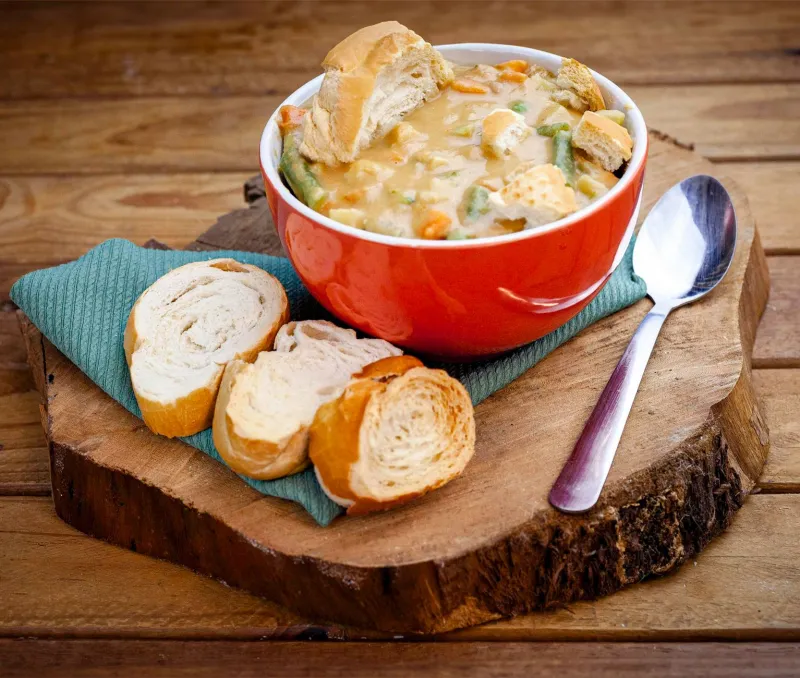
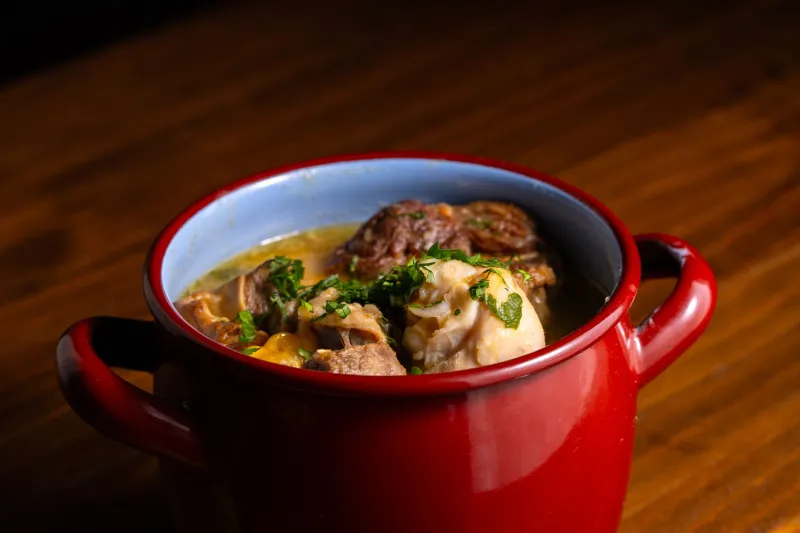
There are dishes designed to turn heads and dishes designed to do a job. Soup sits firmly in the second camp, which is exactly why it is worth paying attention to. At The Bull, the daily bowl is not a stage-managed special or a vehicle for a flourish of herb oil. It is a working part of the kitchen: a pot that starts early, changes with the week and quietly tells you more about a village pub than any laminated menu ever could.
You can learn a lot from a ladle. Not in a mystical sense, but in the ordinary, practical way that food carries evidence. A bowl of soup is made from what is available, what needs using and what the kitchen thinks people will actually want to eat at lunchtime. It is a small daily decision, repeated, adjusted and served with bread. And in a place like Wargrave, where the river, the walkers and the regulars all shape the rhythm of the week, that decision is rarely just about soup.
A Bowl That Starts With the Weather
A wet morning in Wargrave does not need a consultant. It needs something warm, savoury and unfussy. On days when the towpath is grey and the windows are steamed up before noon, the soup pot tends to lean in a certain direction: roots, pulses, a bit of smoke, perhaps a spoonful of something sharp to stop it all becoming a blanket. On a milder day, the same kitchen might go lighter, greener, more willing to let a handful of herbs do the talking.
That is not a gimmick. It is resourcefulness. The weather changes what people order, and it changes what the kitchen wants to cook. A pub that ignores the difference ends up serving the same bowl in July as in November, which is fine in a chain but odd in a village. The daily soup is a chance to be tuned in rather than turned out.
The Bread Basket's Second Life
There is a particular kind of honesty in a soup that begins with yesterday's loaf. Good bread does not become bad overnight; it becomes useful in a different way. Toasted, torn, blitzed into crumbs or stirred through as a thickener, it gives a pot body and a savoury depth that stock alone cannot manage. It also keeps the kitchen honest about waste. If the bread is there, the soup should acknowledge it.
At The Bull, the bread served alongside is not an afterthought. It is part of the dish, and it should be treated as such: fresh enough to be worth eating, plain enough not to compete, generous enough to finish the bowl. A soup without decent bread is like a pub without chairs. Technically possible, but you would not want to spend long there.
Roots, Gluts and the Kitchen's Improvisation
November is a good month for this way of cooking. Parsnips, carrots, onions, leeks, celeriac and squash all sit comfortably in the same pot, and a glut of any one of them is not a crisis but a prompt. The soup pot is where a kitchen can be pragmatic without being careless. It can take an extra crate of roots, a few tired herbs and a litre of good stock and turn them into something that feels deliberate.
That is the quiet skill of a pub kitchen: making the daily bowl taste as if it was meant, even when it began as a sensible answer to what was in the fridge. Regulars notice. They may not ask for a recipe, but they can tell when a soup has been built rather than blitzed. They can tell when the seasoning has been checked and when the pot has been left to sit long enough for the flavours to settle. These are small things, but soup is made of small things.
What Regulars Read in a Ladle
A lunchtime bowl is a low-stakes order, which is why people are honest about it. They will say if it is thin, if it is under-seasoned, if the bread is dry or if the whole thing is trying too hard. They will also come back the next day if it hits the mark. In that sense, soup is a daily audit. It does not rely on presentation or a clever name. It either tastes of something or it does not.
For walkers finishing a loop by the river, it is a warm anchor at the end of a muddy morning. For regulars, it is a familiar marker of the kitchen's mood. For anyone popping in for a quick lunch, it is the least presumptuous thing on the menu and often the most satisfying. A pub that gets its soup right is usually getting the rest of the basics right too.
The Small Ritual of a Lunchtime Bowl
There is a ritual to it, even if nobody calls it that. The pot goes on early. The kitchen checks it between other jobs. The bread is cut. The first bowl goes out, then another. By the end of lunch, the pot is either empty or it is not, and either way the kitchen has learned something. Soup is never just a way to use up leftovers; it is a way to stay connected to the week.
At The Bull, the daily bowl is not the flashiest thing we serve. It is not meant to be. It is meant to be honest, useful and quietly good. And if you want to know how a village pub is really doing, do not start with the specials board. Start with the ladle.