High Chairs, Real Gravy and the End of the Nugget Default
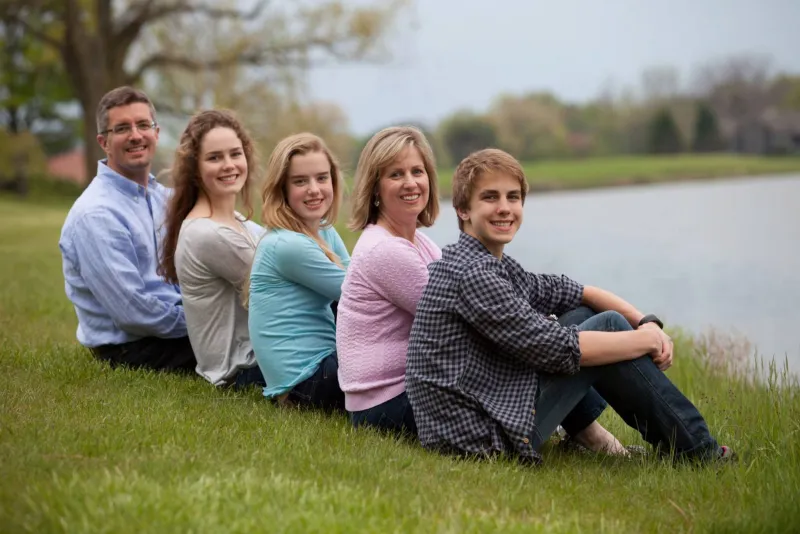
Photo: family Sunday roast pub table high chair children's plate UK, via i.pinimg.com
A children's menu is one of those things a pub can hide in plain sight. It can be printed on a separate sheet, priced low and sent out of the kitchen without much thought. Or it can be treated as what it really is: a smaller, sharper version of the same job the kitchen does for everyone else. At The Bull, Wargrave, we have always thought the second approach is the more honest one. If a kitchen can cook properly for a six-year-old and a sixty-year-old at the same table, without either feeling like they have been fobbed off, that tells you more about the place than any glossy menu cover.
The table that tells you most about a kitchen
Watch a pub kitchen at Sunday lunch and you will see the real priorities. A children's menu is a stress test. Smaller plates mean less room to hide. Gravy that is too thin, potatoes that have been sitting, meat that is dry: all of it shows up more clearly when the portion is half the size. That is why we do not see the younger guests' menu as a nursery afterthought. It is the same kitchen, the same stockpot and the same standards, just scaled down and made a bit more forgiving.
What smaller should actually mean
Smaller should not mean sad. A child's Sunday roast at The Bull is not a single slice of meat lost on a plate. It is a proper little plate: a sensible slice of roast, a couple of crisp-edged potatoes, a Yorkshire pudding that has not been apologised for, vegetables cut to a manageable size and gravy in a jug so the amount can be controlled by the person doing the pouring. That last bit matters. Children like agency. Parents like not having to mop up a lake.
We also try to keep the ingredients recognisable. Sausages should taste of pork, not paste. Fish should be fish. Vegetables should be vegetables, not a garnish that has been waved over the pan. If a child leaves the broccoli, that is a normal Tuesday. If they leave it because it is grey and unloved, that is a kitchen problem.
The Sunday roast test
Sunday is the big one. A smaller roast is not just a normal roast with less on it. The ratio changes. Too much meat and the plate feels heavy; too little and it feels like a punishment. You need enough gravy to make the potatoes interesting, enough vegetables to count as a proper dinner and a Yorkshire pudding that is crisp at the edge and soft in the middle. We would rather send out a child's plate that looks like a miniature version of the adult one than a pile of beige shapes.
It also helps to be flexible. Some children will eat anything until they are eight and then live on air and pasta for a year. Some want gravy on the side. Some want no gravy at all, which is a decision we respect even if we do not understand it. A good children's menu should leave room for those small negotiations without turning the kitchen into a bespoke restaurant.
Timing, high chairs and the bits nobody puts on a menu
The best children's menu in the world will fail if the high chair is broken, the food takes forty minutes and there is nowhere to put a pushchair. Practical stuff matters. High chairs should be clean and actually available when you book. There should be room to park a buggy without blocking a fire exit or a waiter's route. And the food should come out promptly, because a hungry child is not a patient critic.
We also try to remember that families are not a separate species. They are just tables with more napkins. A children's menu should sit alongside the main one, not be hidden away like a secret. Parents should be able to order a proper lunch for themselves, order something sensible for the younger guests and not feel like they have been sent to a soft-play annexe.
Pleasing two audiences at once
The tricky bit is that children and parents want different things. Children want food they recognise, portions they can finish and the option to say no to something green. Parents want real ingredients, sensible salt levels, a decent price and the feeling that the kitchen has not given up. A pub can meet both by keeping the food simple but not cynical. Smaller fish and chips with proper fish. A little pasta with a sauce that has seen an onion. A roast that has been carved rather than scooped.
What we will not do
We will not pretend a children's menu is a separate kitchen. We will not use it as a place to hide cheaper ingredients or dishes we would not serve to adults. And we will not assume that every family wants the same thing: a quick turnover, a plastic cup and a colouring sheet. Some do. Some want a long Sunday lunch with grandparents. Both are welcome.
At The Bull, the younger guests are part of the village pub, not a side room off it. That means high chairs, proper food and a kitchen that takes the small plate as seriously as the big one. It is not a nursery afterthought. It is the same table, just lower to the ground.