The Diary, the Deposit and the Difficult Colleague: Booking the Works Christmas Meal Without Losing the Room
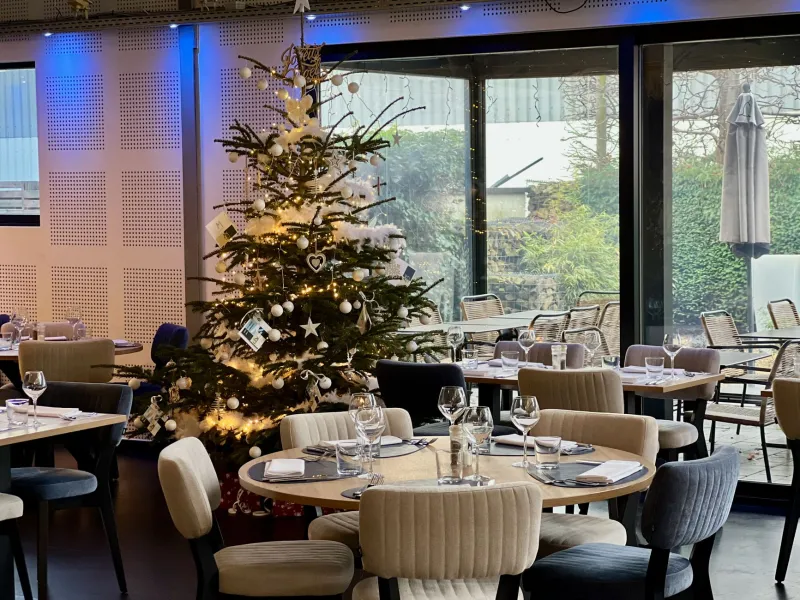
There is a particular phone call we start getting around the second week of November. The caller is friendly, slightly harried, and almost always says the same thing: "I've somehow ended up organising the works Christmas meal." You can hear the spreadsheet in their voice. So, before the diary fills completely, here is the honest version of how a village pub handles a festive booking — from the person who answers the phone.
First, sympathy for the organiser
Nobody trains you for this. One minute you're the person who knows how to work the shared calendar; the next you're fielding fourteen different opinions about parsnips and whether the boss is coming. Take a breath. A works do is not a wedding, and it does not need to be. What it needs is a date, a number, a rough idea of who's driving, and someone willing to make three decisions without holding a vote. That someone is you. You have our sympathies and our full attention.
The three questions to settle before you ring
Pubs in Wargrave, Twyford and the surrounding villages book their December weekends early, and the good slots go to the people who ring with answers rather than questions. So settle these first.
Which evenings actually work? Not the ideal evening — the workable one. Friday and Saturday in December are the equivalent of hen parties in July; they exist, but you'll pay for them in compromise. A midweek evening often means a better room, a calmer kitchen and a table that isn't being turned behind you.
How many are genuinely coming? Give us a number, then give us a second, more honest number. The gap between "everyone's up for it" and "everyone has paid a deposit" is where most festive bookings come unstuck.
What's the budget per head? A figure, not a range that spans the price of a pint and the price of a weekend away. It makes the menu conversation about ten minutes shorter.
Six o'clock or eight: choose your battle
Most pubs, ours included, run two festive sittings on the busy nights. This is not us being difficult — it's arithmetic. A kitchen can send out twenty covers beautifully or forty covers adequately, and we'd rather do the first.
The early sitting suits mixed teams: the ones with trains to catch from Twyford, the ones with babysitters on the clock, the ones who'd rather have their pudding and be home by ten. The later sitting suits the teams who treat the meal as the start of the evening rather than the whole of it. Neither is better. But do ask your group which one they actually are, because a table of early-sitters trapped until eleven is a long night for everyone.
The pre-order is not admin. It's the night.
Here is the bit people resist, and the bit that matters most. Twenty covers arriving with twenty decisions made at the table is not a meal; it's a hostage situation with crackers.
A pre-order lets the kitchen plan properly. It means the beef goes in at the right moment, the vegetarian option isn't an afterthought, and the first plates leave the pass hot rather than tepid while someone at the end of the table deliberates. It also means your table gets served in a rhythm — starters, mains, puddings — rather than in a hopeful trickle.
Collect the choices yourself, in one document, with names attached. Chase the two people who "will sort it later". You know the two. It's always the two.
Deposits, deadlines and the vanishing colleague
A deposit per head is standard for festive bookings, and it isn't suspicion — it's what lets us hold a room and turn away other enquiries. Ask what the deposit covers, when the final numbers are due, and what happens if someone drops out after the deadline. Get it in writing, even if it's just a confirmation email you forward to the group.
And set your own internal deadline a week before ours. The colleague who is definitely coming until the moment money is mentioned is a December tradition older than tinsel.
Dietary notes: send them early, and send them plainly
Allergies are not preferences, and the kitchen treats them accordingly. Tell us at the booking stage, not on the night — a nut allergy discovered at 7.45pm is a scramble nobody enjoys. Vegetarian and vegan numbers matter too, because a good festive menu should make those dishes feel designed rather than substituted. "Can do a bit of everything" is much easier when we've had a week's warning.
The small touches that make it feel like a do
A few things cost nothing and change the evening. Name places on the table save the awkward shuffle. A drinks order taken on arrival keeps the first twenty minutes moving. Ask about crackers, about whether the table can be laid for speeches, about where coats can go. If your team is coming from Reading or Henley, sort the taxis before the pudding, not after — village lanes and December Fridays are not a combination to leave to chance.
And if some of the group fancy the walk down from the station, say so. It's a decent stretch of river and a pleasant way to arrive.
A short checklist before you pick up the phone
- Two or three workable dates, ranked
- A realistic headcount, plus a buffer
- A budget per head
- Preferred sitting (early or late)
- Any dietary requirements flagged upfront
- One person — you — authorised to make the call
Ring rather than message if you can. A two-minute conversation about numbers and dates will save you a fortnight of back-and-forth, and we can tell you honestly what's left in the diary. Mid-November is a good moment to book. By the first week of December, the good answers are gone and you're choosing between what remains.
One last thing. You're allowed to enjoy it too. Put yourself somewhere near the middle of the table, not at the end with the spreadsheet open.