The Big Pot and the Boot Tray: How a Wargrave Pub Cooks Through a Wet Week
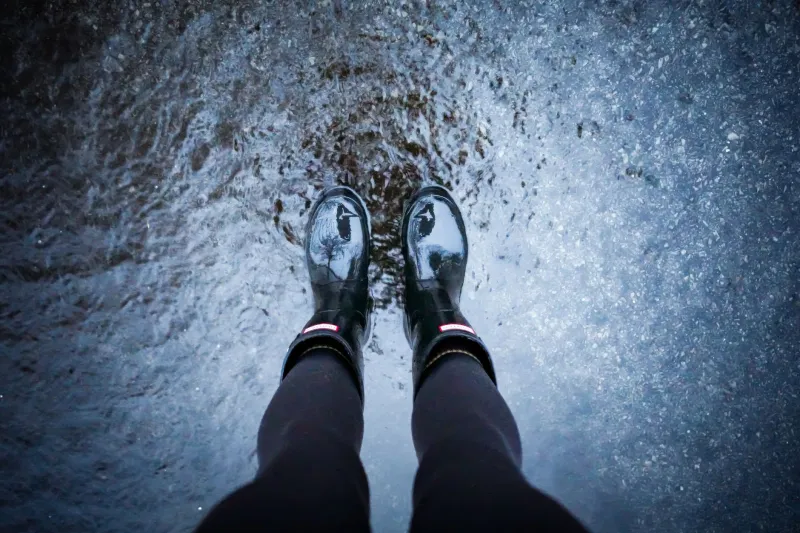
When the Thames lifts over its usual line, Wargrave does what villages do: it adjusts. The school run gets longer, the footpath gets muddier, and the question at the school gate changes from 'what's for tea?' to 'is the road open?' At The Bull, a few minutes from the river, the answer is usually a practical one: come in, dry off, and let us put something hot in front of you. This is not a story about disaster. It is a story about a kitchen with a big pot, a diary with some flex in it, and a village that would rather eat together than wait for the water to go down.
Start with the doorway, not the menu
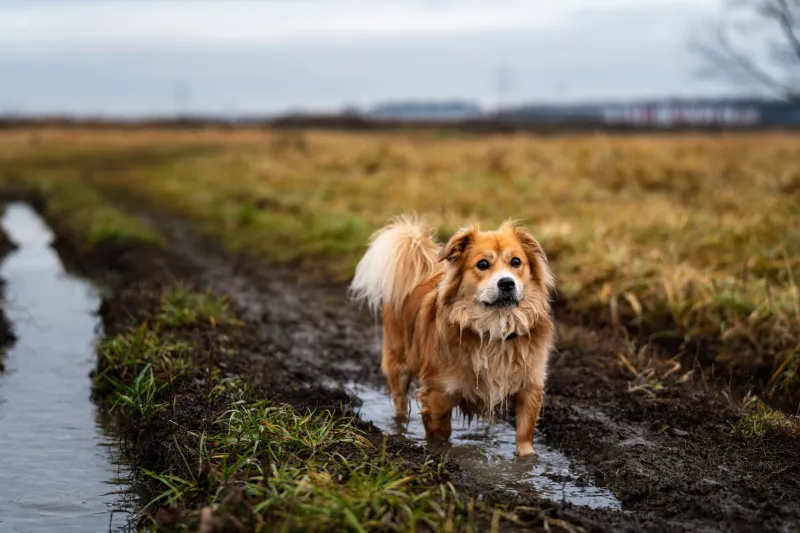
Before a pub can feed anyone, it has to be easy to enter. In a wet week, that means a boot tray by the door, a stack of old towels, a water bowl for the dog, and a sign that says wellies are welcome. It means keeping the front step clear, putting the coat hooks where people can actually reach them, and not being precious about mud on the floor. A dry place is the first course.
The second is a kettle that switches on early. On a high-river morning, The Bull can open for coffee, toast and soup before the usual lunch service. It is not a grand gesture. It is a recognition that people may have been out moving furniture, checking on neighbours, or standing at a bus stop that is no longer where it was. A warm drink and a bowl of something thick does more for a village than a clever menu ever will.
The big pot does the heavy lifting
A wet-week menu should be short, flexible and built around things that can sit happily on the stove. The point is not to invent a 'flood menu' with a fancy name. The point is to cook food that survives a delayed delivery, a changed booking, or a neighbour who arrives an hour later than planned.
At The Bull, that usually means one pot of beef and ale stew with carrots, onions and pearl barley; one vegetarian pot of lentils, celeriac and winter greens; a smoked haddock chowder made with tinned fish, potatoes and sweetcorn; baked potatoes with cheese and beans; and a pudding that can be spooned out without ceremony, such as rice pudding or an apple crumble. Bread on the side. Butter. A jar of mustard. Nothing complicated.
There is a lesson here for any kitchen facing a wet November weekend. Keep a few tins and dry goods in reserve: tomatoes, beans, lentils, rice, barley, tinned fish. Keep frozen bread. Keep a bag of onions and a sack of potatoes. A big pot is not just a piece of equipment; it is a way of making the day less fragile.
Bookings with room to breathe
Flood weeks test the diary as much as the stockpot. A sensible pub should be flexible with bookings in bad weather. That means no deposit for a midweek table, holding a reservation if someone is stuck, and letting a Sunday lunch move to the following weekend without a fuss. It also means leaving room for walk-ins, because not everyone plans ahead when the river is on the news.
Takeaway is part of the same idea. If a neighbour cannot get home, a container of stew and a foil tray of crumble can. If a family has visitors who cannot travel, a table can be shifted. None of this needs a policy document. It needs a phone that gets answered, a bit of give in the system, and a kitchen that does not panic when the plan changes at 5pm.
Dogs, wellies and the dry corner
The Bull is not a drying room with a licence. But a corner near the back, away from the main draught, can do a lot of quiet work. A couple of towel hooks. A bowl of water. A hard floor that can be mopped. A sign asking dogs to stay on the lead near the food. Small things, done properly.
The same applies to people. A wet week is not the time to make anyone feel they are in the way. Walkers, contractors, parents with pushchairs, older neighbours who have come out for company — they all need somewhere to land. A pub cannot stop the Thames. It can make the first ten minutes inside feel normal.
What a wet weekend teaches the kitchen
By the end of a high-river week, the lessons are usually the same ones every year. Prep early. Keep the menu small. Do not over-order fresh food you cannot use. Write a short list of neighbours who might need a check-in. Charge the torches. Fill the kettle. And remember that a community does not need a grand plan so much as a reliable routine.
At home, the same rules apply. Batch-cook something that reheats well. Keep bread in the freezer. Check on the person next door. If the road closes, make a flask. If the power flickers, know where the candles are. These are ordinary habits, but they are the ones that make a wet week feel less like an emergency and more like a spell of weather to be got through.
The river will do what it does. The pub's job is simpler: keep the kettle on, the pot full, and the door open. If the water comes close, Wargrave will cope the way it always does — with a bit of planning, a lot of tea, and someone asking whether you've had anything proper to eat.