Eight Neighbours Worth Cooking With: A Working Guide to the Wargrave Larder

Photo: http://www.fatcow.com/free-icons/ FatCow Web Hosting], CC BY-SA 3.0, via Wikimedia Commons
Ask a pub chef what they cook and they will usually answer with a dish. Ask them where it came from and you get a better answer, because that is where the real decisions live. A menu is only ever as good as the people at the other end of the phone.
We are lucky with our geography. Wargrave sits in a pocket of Berkshire and Oxfordshire where decent growing land, old orchards, a few stubborn family businesses and a couple of genuinely obsessive makers all exist within a short drive. Over the years we have built a working list of them. Not a marketing list — a real one, the sort scribbled on a whiteboard by the back door.
Here are eight names on it, with tasting notes and the odd bit of gossip, and what each one actually turns into at The Bull.
1. The farm shop at Hare Hatch
A proper farm shop: muddy crates, a noticeboard, and sprouts that taste of something other than water. Their purple-sprouting broccoli and January king cabbage arrive with the odd slug still attached, which we take as a good sign.
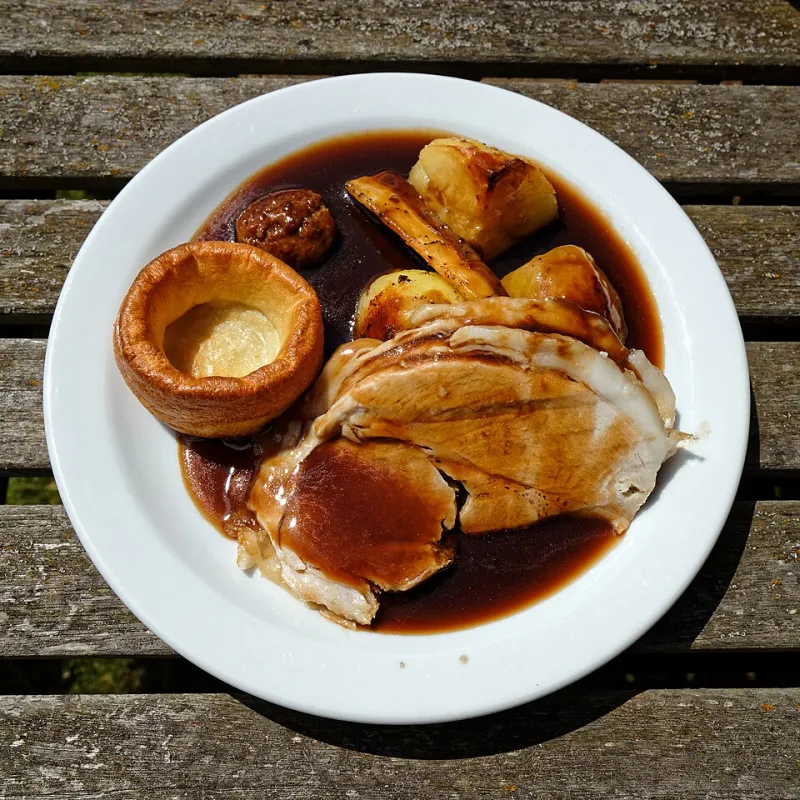
On the menu: the winter vegetable plate and the Sunday rib of beef's supporting cast. Their carrots are sweet enough that we barely glaze them.
2. The microbrewery off the A4 near Knowl Hill
Four people, a lot of stainless steel, and a best bitter that has quietly become one of the most ordered pints on our bar. They will deliver on a Tuesday morning and argue about hop varieties while they do it. Their porter is best in the colder months and disappears faster than anyone plans for.
On the menu: the guest ale line, obviously. The porter also goes into a steak-and-ale pudding in February.
3. The cheesemaker on the Chilterns edge
A small herd, a lot of patience, and a soft cheese that tastes of the grass it came from — in a good way. They age in a converted outbuilding and sell most of it locally, which means we get first refusal on the good batches.
On the menu: the cheese board, where it sits next to a quince paste and a bit of honeycomb. It also melts beautifully into a tart for the lunch menu.
4. The bakery in Twyford
Up at three, done by eleven, and generous with the offcuts. Their sourdough has a crust you can hear across the room and a crumb that holds up to a proper sandwich rather than dissolving under one.
On the menu: every doorstep sandwich on the bar menu, the croutons in the soup, and the bread basket that goes out before Sunday lunch.
5. The game dealer at Crazies Hill
Pheasant, partridge, the occasional venison. Seasonality here is not a marketing choice, it is a legal one — you cook it when it is there and you do not pretend otherwise. The birds come plucked and hung properly, which is half the flavour.
On the menu: the game pie in autumn, a roast partridge in November, and a rich venison ragù over polenta that sells out every time it appears.
6. The orchard down at Shiplake
Old apple varieties, most of them unpronounceable, planted by somebody's great-grandfather. They press cider from the surplus and sell apples by the box when the crop is good, which varies.
On the menu: apple sauce, tarte tatin, and a cider that we use sparingly in the kitchen because the front-of-house team gets there first.
7. The beekeeper in Wargrave
Hives at the end of a long garden, honey that changes colour and flavour depending on the year, and a beekeeper who will explain the difference in detail if you make the mistake of asking.
On the menu: the cheese board, a honey-and-thyme glaze on roast parsnips, and something sweet in the puddings depending on what the season gives.
8. The smokehouse near Sonning
Bacon that browns rather than weeps, and a hot-smoked salmon that has no business being as good as it is. They are a small operation and we are a small pub, so the quantities are manageable and the conversation is short and to the point.
On the menu: the Sunday bacon, the smoked salmon starter, and the occasional special when there is a glut.
How we choose
Three tests, roughly. Does it taste better than the alternative? Can they deliver reliably, including in the week between Christmas and New Year when nobody wants to drive? And is the relationship decent — can you ring them on a Thursday and get an honest answer about whether the crop is any good?
We do not use local for the sake of it. A disappointing local ingredient is still a disappointing ingredient, and the menu is the wrong place to make a point. But overwhelmingly, the producers within ten miles of the village win on flavour, because they are picking and making for people they might see in the pub on Sunday.
That is the whole larder, more or less. It is not a list you can buy in one shop, which is the point. It is a list of neighbours — and cooking with neighbours is a rather better way to run a menu than the alternative.