The Gravy Yardstick: A Year of Sunday Roast Notes from The Bull
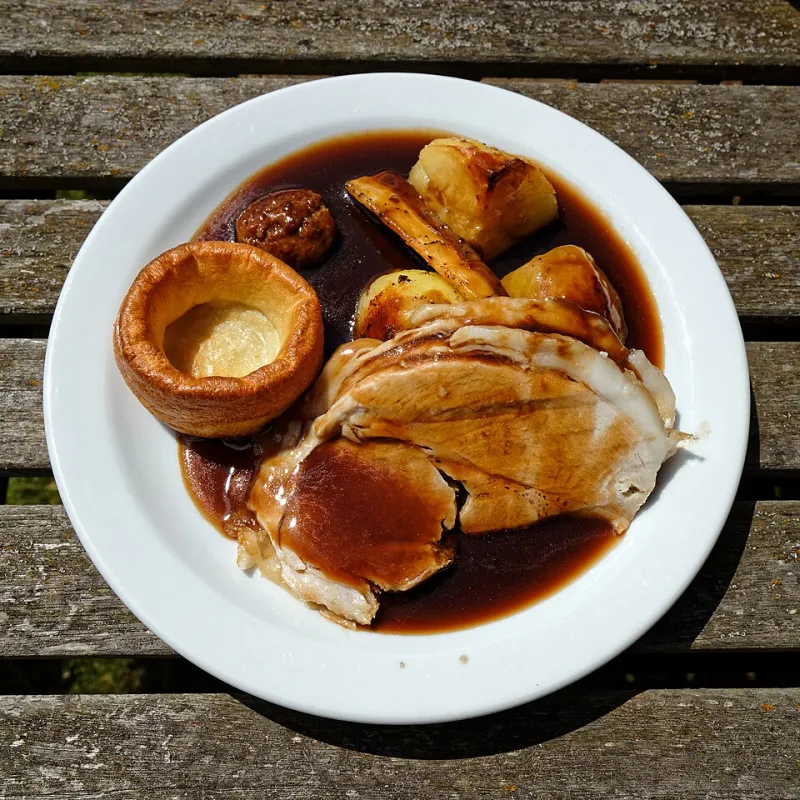
Photo: Acabashi, CC BY-SA 4.0, via Wikimedia Commons
Sunday lunch at a village pub is never just lunch. It is the meal that has to work for the family table, the couple who have walked in muddy from the river, the regular who always asks for extra gravy and the visitor who has read three reviews before leaving the house. At The Bull, the Sunday roast has become less of a menu item and more of a weekly referendum.
Over the past twelve months, we have spent more time than is strictly reasonable thinking about gravy consistency, crackling crispness and the exact moment a Yorkshire pudding should leave the pass. This is not a formal audit with clipboards and spreadsheets. It is closer to a long, honest conversation with the people who eat here every week.
The roast is a different kind of service
A weekday lunch can be forgiving. A Saturday dinner can lean on atmosphere. Sunday lunch has no such cover. The pub fills earlier, the tables turn more slowly, and the expectations arrive before the first plate does. Regulars know what they want. Visitors have a picture in their heads. Children want the same thing they had last time, and woe betide anyone who changes the shape of the potatoes.
What we have learned is that the roast has to be consistent without feeling mechanical. The menu can move, the sourcing can improve, the vegetarian option can get more interesting, but the core promise cannot wobble. Good meat, properly rested. Potatoes with enough crunch to matter. Vegetables that taste of something. A Yorkshire pudding that has not been sat under a lamp since the opening whistle.
The gravy yardstick
If there is one detail that decides whether a Sunday roast feels generous or merely adequate, it is gravy. Not the quantity alone, though quantity matters. It is the consistency. Too thin and the plate becomes a soup. Too thick and it sits on the meat like wallpaper paste. The best gravy coats the back of a spoon, soaks into the potato rather than drowning it, and tastes of the roast that made it.
We have also learned that gravy is emotional. People ask for it in different ways. Some want a modest pour and a jug on the side. Some want the full immersion. Some want it before the plate even lands. The answer is not to guess. The answer is to make enough of it, keep it hot, and never make a guest feel awkward about asking for more.
What regulars notice most
The feedback we hear is rarely about the grand gestures. It is about the small things. A Yorkshire pudding that has risen properly. Crackling that actually cracks rather than bends. Carrots with a bit of bite. A plate that arrives hot. A jug of water without having to ask twice. The roast is a plate of components, and every component is a chance to get it slightly wrong.
The crackling has been a particularly useful teacher. It is easy to talk about crackling as a garnish. It is harder to serve it consistently crisp without turning the pork into a waiting game. What regulars want is honesty on the plate. If the crackling is good, they will say so. If it is not, they will tell us, often with the directness that only a village pub can inspire.
Yorkshire puddings provoke similar passion. There are strong views about size, colour, number and whether they belong anywhere near a pork roast. We have stopped trying to win that argument. The aim is simply to serve one that tastes freshly made, has a proper hollow and does not collapse the moment gravy arrives.
The feedback loop
We read the notes. The good ones, the blunt ones and the gravy-stained ones. Some arrive by email, some in person, some through the gentle diplomacy of a regular who has decided to mention it while paying the bill. The useful feedback is rarely cruel. It is specific. The potatoes were softer than usual. The beef was excellent but the horseradish was shy. The vegetarian roast was good, but it needed more gravy.
That last point matters. A Sunday roast has to work for everyone at the table, not just the person who ordered the sirloin. The vegetarian option has become a proper part of the conversation rather than an afterthought. It still has to feel like a roast, with the same care given to the trimmings, the gravy and the plate as a whole.
How the menu has moved without losing the point
The Sunday menu has changed gently. We have tightened it rather than expanded it. A shorter offer is easier to cook well, and a roast is not the place for endless choice. The focus is on doing a few things properly: the meat, the potatoes, the vegetables, the puddings, the gravy. The details can shift with the seasons, but the shape of the meal stays recognisable.
That is the balance every village pub has to strike. Change too little and the menu starts to feel tired. Change too much and you break the weekly ritual. Sunday lunch is a habit for many people, and habits are built on trust. The Bull is not trying to reinvent the roast. It is trying to serve the kind of roast that makes someone book the same table again next week.
The village roast contract
In the end, the Sunday roast remains the pub's emotional centrepiece because it carries more than food. It carries the week's news, the family catch-up, the quiet pint after a walk and the relief of not having to cook. The plate has to be good, but the atmosphere has to meet it halfway.
A year of notes has taught us that the roast is judged in small moments. The first cut into a potato. The crack of crackling. The jug arriving without being asked. The Yorkshire pudding that looks like it was made that morning rather than assembled by rota. Those are the details regulars remember, and they are the details we will keep auditing every Sunday.