After the Last Sparkler: The In-Between Weeks That Make a Village Pub
By the time the last rocket has flopped into a Wargrave garden and the bin bags of spent sparklers are waiting by the back gate, the village has a collective exhale. Bonfire Night is done. The Christmas booking emails are arriving, but the party season itself is still a few weeks off. In pub terms, this is the awkward bit — too late for autumn, too early for tinsel.
At The Bull, it is also one of the most interesting times to eat.
The lull that isn't
From the front, early-to-mid November can look suspiciously calm. The bar has a little more elbow room on a Tuesday. The phone rings less often than it will in December. There is no quiz-night overflow to manage, no fireworks crowd to feed, no office party ordering three rounds of espresso martinis before the starters have landed.
Behind the scenes, though, the kitchen is not sitting around. This is the fortnight when the specials board gets braver, partly because it can. Without a Christmas menu pinned to the wall like a countdown clock, the chefs have room to try things: a game pie here, a celeriac gratin there, a sauce that needs tasting three times before anyone commits it to a printed sheet. The rota is being reworked, too — holidays squared away, new starters folded in, the December machine given a test run before it has to run at full speed.
It is not glamorous. It is not the stuff of festive social media posts. But it is where a pub quietly shows what it is made of.
What lands in the kitchen
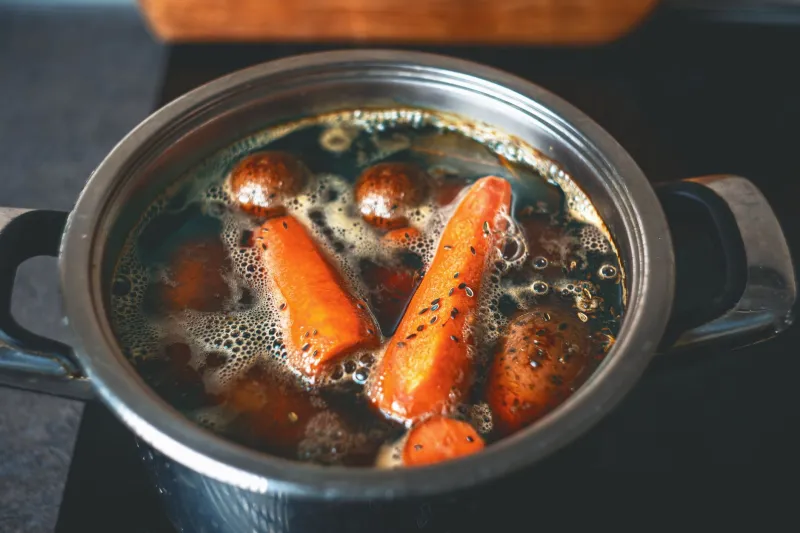
November has its own shopping list. Game is arriving — pheasant, partridge, venison, depending on what the shoot has brought in and what the kitchen can hang. Root vegetables start to pile up in the way that only root vegetables can: celeriac like ancient boulders, parsnips, swede, beetroot, carrots with mud still in the ridges. It is not a delicate season. It is a season for long braises, deep pans and gravy that has had time to think.
That suits The Bull down to the ground. A village pub should cook with the calendar, not against it. In summer, that means lighter plates and something cold in a glass. In November, it means dishes that make the walk back up the hill feel like a sensible idea. It also means the kitchen can be honest about what it is good at: slow cooking, strong flavours, and the sort of food that does not need a sparkler stuck in it.
The specials board is the place to watch. If there is a game dish on it this week, order it. Ask how it has been cooked. Ask what it is served with. The answer will tell you more about the kitchen than any Christmas menu ever will.
The specials board loosens its collar
There is a particular kind of freedom in a mid-November service. The kitchen knows the Christmas bookings are coming, but they are not here yet. The pressure is lower, the fridge is full of good ingredients and the chefs are not yet cooking the same three festive dishes fifty times a week. That is when you get the pot pie that was not on the original plan, or the root vegetable side that has been quietly perfected because someone had a spare hour and a sharp knife.
For locals, this is a window worth using. A midweek lunch at The Bull in the second week of November is a different experience from a Saturday night in December. You can hear yourself think. You can ask the bar staff what they would order. You can take a neighbour who has been meaning to try the place and not have to shout across a party of fourteen.
It is also a good time to test the bar snacks. A pint and a bag of crisps is a fine thing, but a pint and something warm from the kitchen — a small plate, a bowl of something rooty, a bit of game if there is any going — is better. The Bull has never been precious about this. Good food does not have to arrive on a huge plate with a drizzle.
The rota shuffle
Staff rotas in a village pub are a bit like bus timetables: they look orderly until you need them. In early November, the team is trying to fit annual leave, training and family commitments around the calm before the Christmas storm. New starters might be learning the till, the coffee machine and the difference between a tableside check and a hover. The front of house is tasting the new dishes so they can describe them without reading from a sheet.
None of this is visible to the customer, which is the point. A pub that gets this fortnight right tends to get December right, too. A pub that ignores it ends up hoping the Christmas bookings will paper over the cracks. The Bull is not immune to a chaotic service — no kitchen is — but this is the stretch where the groundwork gets done.
Why this fortnight matters
Christmas is loud. It is bookings, parties, tinsel, schedules and a lot of washing up. It matters, of course it does. But a pub's character is not really revealed by how it handles its busiest night. It is revealed by what it cooks when nobody is watching. By whether the staff seem pleased to see you on a wet Tuesday. By whether the specials board has a pulse.
The fortnight after Bonfire Night is the unsung part of the pub year. The fireworks have gone. The Christmas lights are still in the cupboard. The kitchen is full of game and roots, and the bar has enough room for a proper conversation. In Wargrave, that is worth a walk down the hill.
What to order right now
If you are coming in over the next week or two, here is a practical shortlist. First, look at the specials board before you look at the menu. Second, if there is game, ask about it — how it is cooked, what it comes with, whether it is a pie or a plate. Third, do not ignore the root vegetables. A good celeriac dish or a properly made parsnip side is not a filler; it is the point. Fourth, use the quieter midweek shifts. A Tuesday lunch at The Bull is a very different beast from a Friday night in December, and that is a good thing. Finally, ask the staff what they have been tasting. They will know what is new, what is worth ordering and what has been quietly perfected in the kitchen this week.
The Christmas booking will come soon enough. For now, enjoy the in-between.